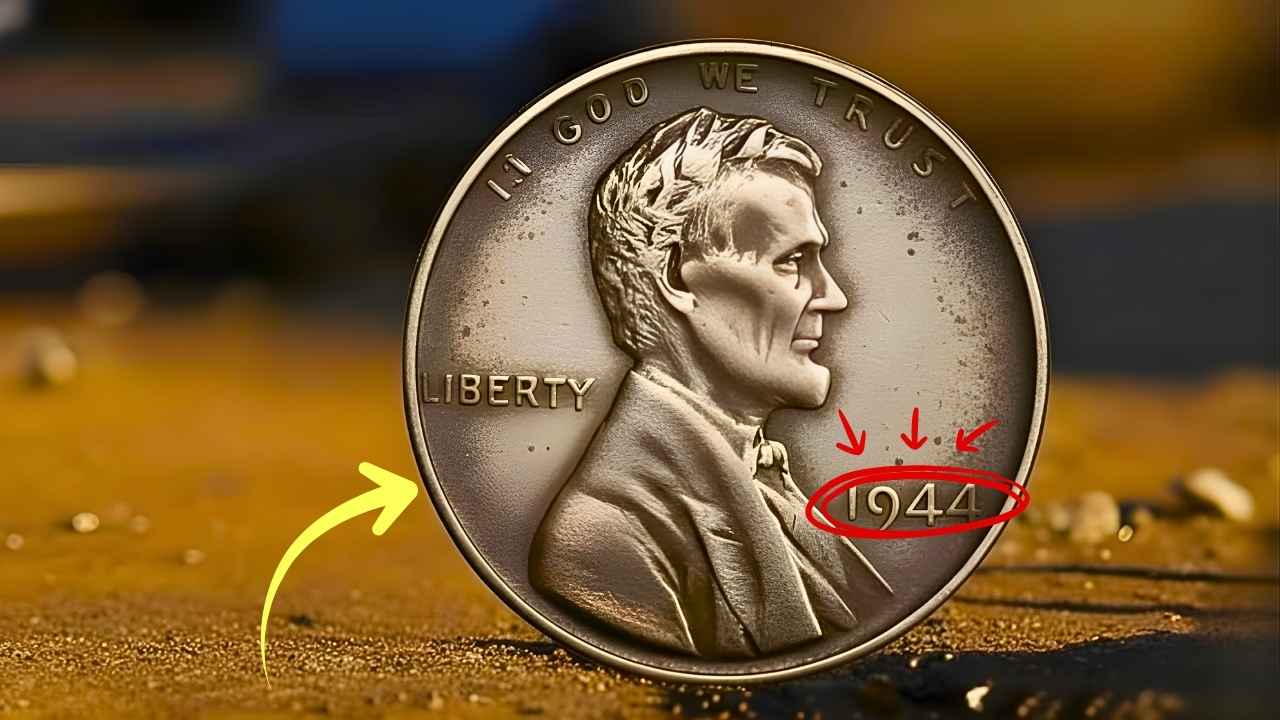
Coin collecting has fascinated enthusiasts for generations, combining history, art, and the thrill of discovery. Among the most iconic coins in the United States are Lincoln Wheat pennies, first minted in 1909 to commemorate the 100th birthday of President Abraham Lincoln. These coins, with their distinctive wheat ears on the reverse, have become highly collectible, and certain rare varieties are among the most valuable coins for collectors today. Understanding how to identify these sought-after pennies can unlock both historical appreciation and financial potential.
The History of Lincoln Wheat Pennies
The Lincoln Wheat penny was introduced in 1909 as the first U.S. coin to feature a president on the obverse. Designed by Victor David Brenner, the coin features Lincoln’s profile on the front and two wheat stalks on the reverse, symbolizing prosperity. Minted from 1909 to 1958, the coin underwent minor design changes over time but largely retained its original appearance, making it an enduring symbol of early 20th-century America.
Many of these pennies were produced in massive quantities, so most are common today. However, certain years, mint marks, and varieties are extremely rare and valuable. Collectors seek these coins not only for their monetary worth but also for their historical significance.
What Makes a Lincoln Wheat Penny Valuable
Several factors determine whether a Lincoln Wheat penny is ordinary or highly valuable:
- Year and Mint Mark
Certain years had limited production, and coins from specific mints are rarer than others. For example, the 1909-S VDB penny is one of the most famous and valuable Wheat pennies. Mint marks such as D (Denver), S (San Francisco), and P (Philadelphia) indicate where the coin was produced. - Condition
A coin’s condition, or grade, significantly impacts its value. Coins that have never circulated, retaining their original luster, are far more desirable than those showing wear and tear. Professional grading services assign coins grades that range from poor to perfect mint state, helping collectors determine value. - Minting Errors and Varieties
Some of the most valuable Wheat pennies are error coins. Examples include doubled dies, repunched mint marks, and off-center strikes. These anomalies make a coin unique, and collectors often pay a premium for them. - Historical Significance
Coins associated with key historical periods or notable events can have increased collectible value. The first-year issue, 1909 VDB, is particularly notable because it bears the initials of designer Victor David Brenner and represents Lincoln’s centennial.
The Most Valuable Lincoln Wheat Pennies
Several Lincoln Wheat pennies are highly sought after by collectors:
- 1909-S VDB: One of the rarest and most famous, with a limited mintage of only 484,000 coins.
- 1914-D: Known for its scarcity, it is highly prized in high grades.
- 1922 No D: A mint error where the Denver mint mark is missing, making it extremely valuable.
- 1931-S: Another low-mintage coin that commands high prices.
- 1955 Doubled Die: Famous for the doubling effect on the obverse, one of the most recognized error coins.
Collectors who can identify these coins correctly stand to gain both historical insight and significant financial reward.
How to Identify Valuable Lincoln Wheat Pennies
Identifying a valuable Wheat penny requires careful observation and knowledge of key details:
Examine the Obverse and Reverse
Look closely at Lincoln’s profile on the obverse. Check for sharpness in the hair, beard, and facial features. On the reverse, examine the wheat stalks for clarity and detail. Coins with well-defined features often indicate better preservation and higher value.
Check the Year and Mint Mark
The year and mint mark are crucial in determining rarity. Coins from specific years or mints can be exponentially more valuable. Compare your coin to reference guides to verify its production details.
Look for Errors or Varieties
Unique characteristics, such as doubled dies, missing mint marks, or repunched letters, can make a Wheat penny exceptionally valuable. Error coins are rare and should be verified by experts before valuation.
Assess the Coin’s Condition
Condition affects value more than any other factor. Coins that retain their original luster and have minimal wear are highly prized. Consider using a magnifying glass or loupe to examine fine details.
Seek Professional Grading
For high-value coins, professional grading is essential. Experts authenticate the coin, assess its condition, and assign a grade that reflects market value. Grading ensures collectors avoid counterfeit or misidentified coins.
Where to Find Rare Lincoln Wheat Pennies
Rare Lincoln Wheat pennies are often discovered in everyday places:
- Old Coin Collections: Many rare pennies remain hidden in family collections for decades.
- Loose Change: Occasionally, a valuable coin may turn up in jars, piggy banks, or old wallets.
- Estate Sales and Auctions: Collectors often find rare coins in estate sales or at auction houses.
These examples highlight the excitement of collecting and the possibility that a hidden gem may be in your possession.
Tips for Collecting Lincoln Wheat Pennies
To protect and preserve valuable coins, collectors should:
- Store coins in protective holders, capsules, or albums
- Keep detailed records of provenance, grading certificates, and purchase history
- Avoid cleaning coins aggressively, as this can reduce value
- Consider insurance for high-value coins
- Buy from reputable dealers, certified grading services, and trusted auctions
Proper care ensures that rare coins maintain their value for future generations.
Key Highlights
- Lincoln Wheat pennies were minted from 1909 to 1958 and commemorate Abraham Lincoln
- Rare coins like the 1909-S VDB, 1914-D, and 1955 Doubled Die are highly valuable
- Value depends on year, mint mark, condition, errors, and historical significance
- Identifying valuable pennies requires careful examination and expert verification
- Proper storage, documentation, and handling preserve collectible value
Final Words
Lincoln Wheat pennies are more than just coins; they are historical artifacts that connect us to the past. Whether you are an experienced collector or a casual enthusiast, learning to identify valuable pennies can unlock both historical insight and financial potential. The thrill of discovery, combined with careful observation and preservation, makes collecting Wheat pennies a rewarding and fascinating hobby.
Even ordinary pennies from your change jar could hold extraordinary value, and with knowledge, patience, and attention to detail, you may uncover a coin that is both historically significant and highly sought after by collectors worldwide.