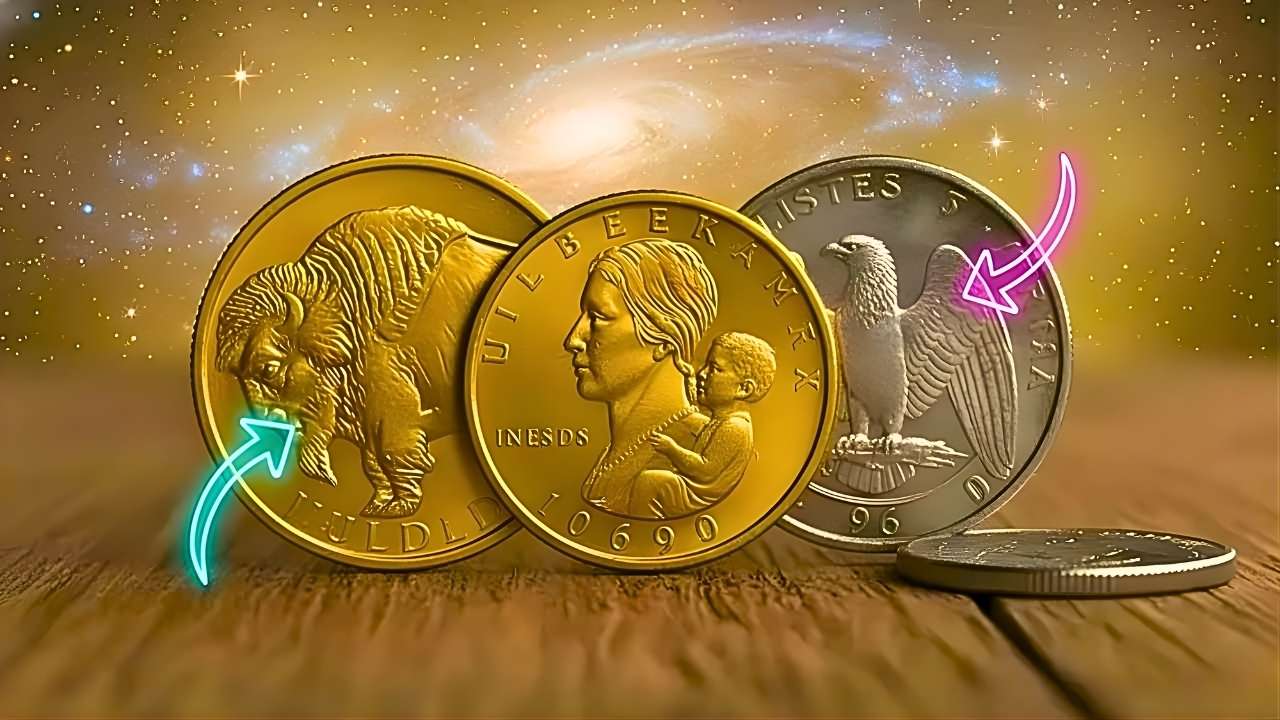
The Sacagawea dollar is one of the most recognizable coins in modern American currency. Introduced in 2000, this golden-colored coin was designed to honor Sacagawea, the Shoshone woman who guided the Lewis and Clark expedition. Over the years, special editions of the Sacagawea dollar have been released in both silver and gold, capturing the attention of collectors and investors alike.
With rising interest in rare coins, many people are asking which Sacagawea dollar holds more value today: the silver version or the gold version? The answer is not straightforward, as the value of each coin depends on several factors including rarity, metal content, condition, and collector demand. In this article, we will explore these aspects in detail to help you understand the current market value of both coins.
History of the Sacagawea Dollar
The United States Mint introduced the Sacagawea dollar in 2000 as a replacement for the Susan B. Anthony dollar, which had become unpopular due to its size and design. The coin features a portrait of Sacagawea carrying her infant son, Jean Baptiste, on the obverse side. The reverse side initially depicted a soaring eagle, symbolizing freedom and hope.
Over the years, the Mint has released special collector versions of the Sacagawea dollar, including coins made from 90% silver and 24-karat gold-plated editions. These special releases were never intended for general circulation but quickly became highly sought after by coin enthusiasts.
Silver Sacagawea Dollar
The silver Sacagawea dollar is a collector’s item rather than a circulating coin. Typically minted in proof or uncirculated versions, these coins contain a small amount of actual silver, usually 90% or in some cases lower depending on the specific edition.
The value of a silver Sacagawea dollar depends heavily on its condition and rarity. Coins that were part of limited mint runs or special sets tend to sell for higher prices. For example, a 2000 silver Sacagawea dollar in pristine proof condition could be worth anywhere from $50 to several hundred dollars today.
Collectors also consider the coin’s grade, which measures how well it has been preserved. Coins with minimal wear and original mint luster often command a premium. While the silver content adds some intrinsic value, the main appeal of these coins is their collectible nature and historical significance.
Gold Sacagawea Dollar
Gold versions of the Sacagawea dollar are far rarer than their silver counterparts. These coins are usually gold-plated or struck in 22-karat gold for special collector editions. Their rarity, combined with the high intrinsic value of gold, makes them significantly more expensive.
For instance, a 2000 proof gold Sacagawea dollar may sell for thousands of dollars depending on its grade and condition. Limited edition releases, particularly those packaged in original mint cases with certificates of authenticity, tend to be the most valuable. Unlike silver coins, the gold versions have a much higher base metal value, which makes them a strong investment option for collectors who appreciate both history and precious metals.
Factors Affecting Coin Value
Several factors influence whether a silver or gold Sacagawea dollar is worth more. First is rarity: limited mintages always increase demand. Coins that were produced in lower numbers or had special features like minting errors can fetch higher prices.
Condition is another critical factor. Proof coins, which are specially struck to show fine details and a mirror-like finish, are far more valuable than circulated coins. Even small scratches or discoloration can reduce the coin’s worth significantly.
Metal content also plays a major role. Gold-plated or solid gold coins naturally carry higher intrinsic value than silver coins. However, the collector market often values rarity and historical significance over metal content alone. Finally, provenance—the coin’s history or whether it comes from a notable collection—can increase desirability and price.
How Collectors Decide Between Silver and Gold
Collectors often weigh the appeal of silver versus gold Sacagawea dollars based on both financial and historical considerations. Silver coins are usually more affordable and accessible, making them a popular choice for beginners. They offer the opportunity to start a collection without a massive upfront investment.
Gold coins, while expensive, appeal to serious collectors or investors looking for coins that hold both numismatic and intrinsic metal value. Many collectors view gold Sacagawea dollars as long-term investments that can potentially appreciate over time due to scarcity and demand.
Key Highlights
- The Sacagawea dollar was introduced in 2000 to honor Sacagawea and replace the Susan B. Anthony dollar.
- Collector editions exist in silver and gold, each with unique value factors.
- Silver Sacagawea dollars are more common and usually range from $50 to several hundred dollars depending on condition.
- Gold Sacagawea dollars are rare and often valued at thousands of dollars.
- Factors affecting value include rarity, condition, metal content, and provenance.
Our Final Words
Deciding which Sacagawea dollar holds more value today ultimately depends on what you are looking for in a coin. If affordability and accessibility are important, silver coins are a great option for collectors. If rarity and potential long-term investment are priorities, gold versions are likely to be more valuable.
Regardless of whether you choose silver or gold, owning a Sacagawea dollar is more than just a financial decision. It is a chance to preserve a piece of American history and celebrate the story of one of the nation’s most iconic figures. For collectors, enthusiasts, or curious coin holders, taking the time to examine and understand these coins can be both educational and rewarding.