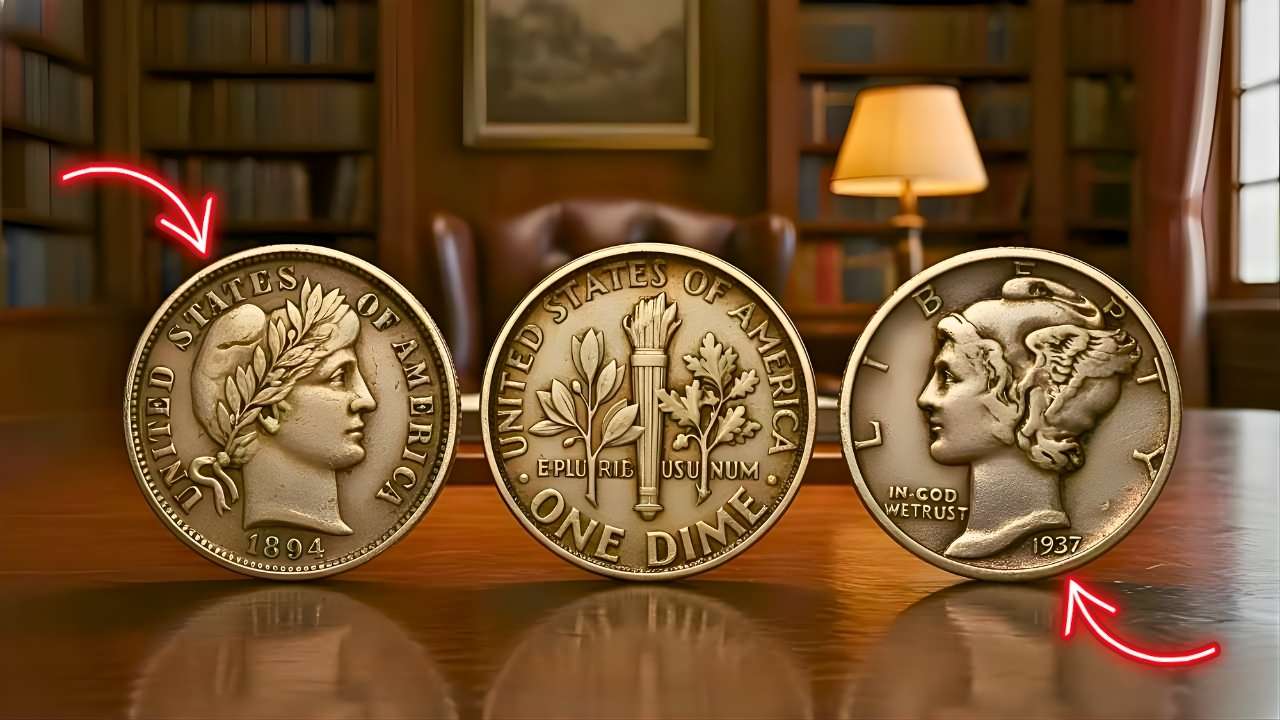
Coin collecting has long fascinated both casual hobbyists and serious numismatists. Every so often, a discovery captures the imagination of the public—a coin found in a humble place that turns out to be worth an extraordinary sum. One such recent story involves a Roosevelt dime discovered in a piggy bank that is valued at an astonishing $400,000. This rare find highlights the thrill of coin collecting, the importance of careful examination, and the unexpected surprises that can lie hidden in everyday objects.
The History of the Roosevelt Dime
The Roosevelt dime was first minted in 1946, shortly after the death of President Franklin D. Roosevelt. It was designed to honor Roosevelt’s leadership during challenging times and his role in founding the March of Dimes, a foundation devoted to fighting polio. The dime features Roosevelt’s profile on the obverse side, with inscriptions of his name, the word “Liberty,” the phrase “In God We Trust,” and the year of minting. The reverse side displays a torch, olive branch, and oak branch symbolizing liberty, peace, and strength.
While most Roosevelt dimes are common and routinely circulated, certain years, mint marks, and errors have created coins of extraordinary value. These rare dimes are highly sought after by collectors and investors alike.
What Makes a Roosevelt Dime Rare
Not all Roosevelt dimes are created equal. A dime’s rarity and value depend on several factors:
- Year and Mint Mark: Certain years had smaller mintages or unusual production circumstances. Mint marks indicate the facility where the coin was produced, and some mint locations produced far fewer coins, increasing scarcity.
- Errors and Variants: Coins with minting errors, such as double dies, off-center strikes, or missing features, can become extremely valuable. Even subtle anomalies can significantly increase a dime’s worth.
- Condition: Coins in pristine condition, often referred to as “mint state,” are far more valuable than those showing signs of circulation or wear. The $400,000 Roosevelt dime found in the piggy bank was remarkably well-preserved, contributing to its high value.
- Historical Significance: Coins with interesting backstories or connections to historic events often carry additional collectible value. Finding a dime decades after it was minted in a personal collection adds a layer of narrative that enhances its appeal.
How the $400,000 Roosevelt Dime Was Discovered
This remarkable coin was recently uncovered in what seemed like an ordinary piggy bank. The story is a reminder that rare treasures can be hidden in the most mundane places. After careful inspection, it was revealed that the coin had unique features that made it highly valuable:
- A rare mint mark from a limited production year
- Exceptional condition with minimal wear or discoloration
- Possibly an error or variant that increased its rarity
Such discoveries emphasize the importance of examining even small, everyday coins carefully, especially those saved over decades.
Identifying Rare Roosevelt Dimes
For collectors seeking valuable Roosevelt dimes, there are specific steps to identify coins with potential:
Examine the Coin’s Details
Look closely at Roosevelt’s profile, the date, inscriptions, and the reverse design. Rare coins may display unusual spacing, misaligned features, or extra details that differentiate them from standard issues.
Check Mint Marks and Production Errors
The mint mark, typically found on the obverse near Roosevelt’s neck or on the reverse side in later issues, can indicate rarity. Coins with missing, doubled, or unusual mint marks are often worth significantly more.
Assess the Coin’s Condition
A coin’s grade, or condition, plays a critical role in its value. Collectors should evaluate coins for scratches, wear, or discoloration. High-grade coins are more likely to attract top prices at auctions.
Seek Professional Verification
Given the high stakes involved, it is essential to have rare coins authenticated by trusted grading services. Experts can confirm the coin’s authenticity, assign a grade, and ensure accurate valuation, protecting collectors from counterfeits or misidentified coins.
Where Rare Dimes Are Usually Found
Rare coins like this Roosevelt dime are often discovered in three common ways:
- Old Coin Collections: Many rare coins remain hidden in family collections, piggy banks, or jars for decades.
- Mint Errors: Coins with production errors can accidentally make their way into circulation.
- Estate Sales and Auctions: Collectors sometimes acquire rare coins through auctions or estates where forgotten coins resurface.
These stories serve as a reminder that valuable coins can appear in the most unexpected places.
Tips for Collecting Rare Coins
Collecting rare coins is both an art and a science. Enthusiasts should follow these guidelines:
- Store coins properly in protective holders or capsules to prevent damage
- Maintain detailed records, including certificates of authenticity and grading reports
- Insure valuable coins to protect against theft, loss, or damage
- Work with reputable dealers, grading services, and auction houses
By following these practices, collectors can preserve the value of their coins while enjoying the thrill of the hobby.
Key Highlights
- The Roosevelt dime was first minted in 1946 to honor President Franklin D. Roosevelt
- Rare dimes can be worth hundreds of thousands due to minting errors, limited production, or exceptional condition
- The $400,000 dime was discovered in a piggy bank, highlighting that valuable coins can appear in unexpected places
- Identifying rare coins requires examining details, mint marks, condition, and verification by professionals
- Proper storage, documentation, and insurance are essential for protecting high-value coins
Final Words
The story of the $400,000 Roosevelt dime discovered in a piggy bank is a reminder that treasure can lie hidden in the most ordinary places. For collectors, the thrill of discovery, combined with the careful study of coin details and history, is what makes numismatics so rewarding.
Whether you are a seasoned collector or a newcomer, learning to identify rare coins, understanding their history, and taking steps to protect them can transform a simple hobby into a lifetime of fascinating discoveries. Each coin tells a story, and sometimes, even a small dime saved in a piggy bank can become a gateway to history, wealth, and excitement.