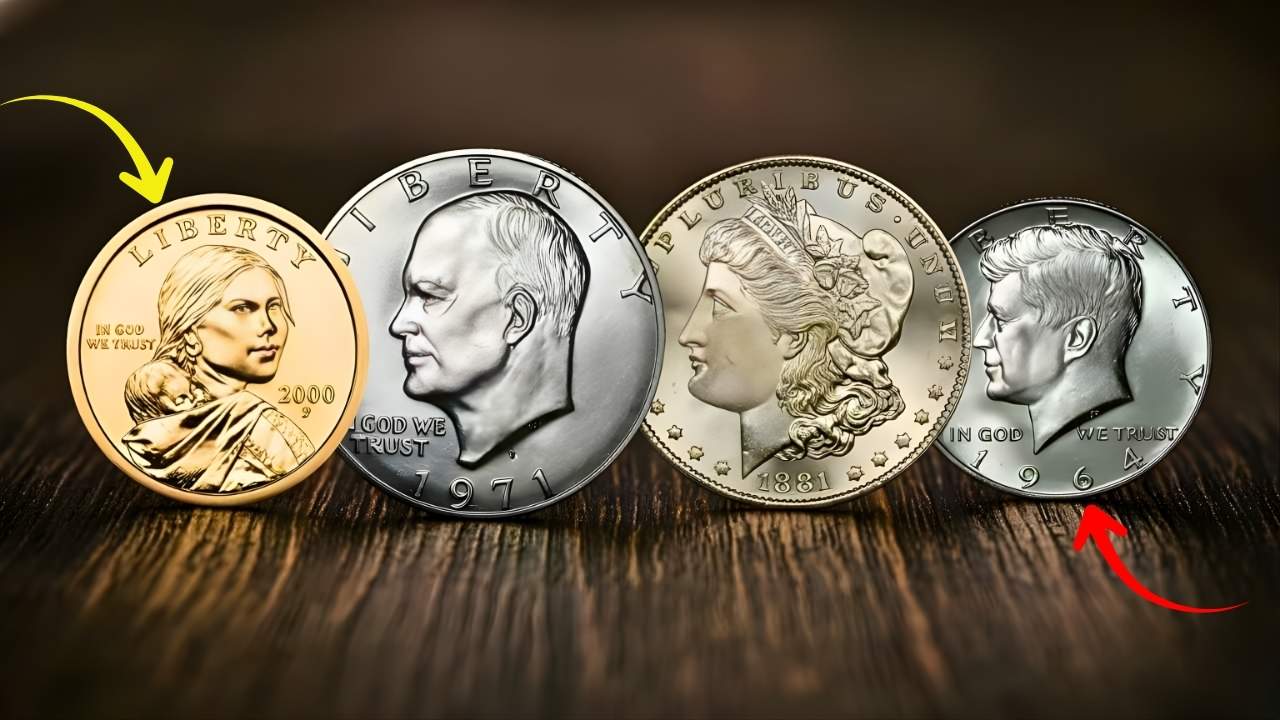
Coin collecting is more than just a hobby; it is a way to preserve history while potentially building valuable assets. One of the most important aspects of coin collecting is understanding how to grade coins properly. The grade of a coin often determines its market value, sometimes more than the rarity of the coin itself. For collectors in 2026, mastering grading techniques is essential to unlocking the full potential of any collection.
Grading coins might seem complicated at first, but with practice and attention to detail, it becomes an engaging and rewarding skill. This guide explores the fundamentals of coin grading, offers practical tips, and explains how proper grading can help collectors maximize value.
Understanding Coin Grading
Coin grading is the process of evaluating a coin’s condition, which directly affects its market price. Grading considers factors such as wear, luster, strike quality, and eye appeal. In general, coins are graded on a scale from Poor (P-1) to Perfect Mint State (MS-70).
The main grading systems used today are the Sheldon Scale and professional grading services such as PCGS and NGC. While collectors can grade coins themselves, professional certification is often necessary when selling high-value pieces, as it provides buyers with confidence in the coin’s authenticity and condition.
Key Factors in Coin Grading
1. Surface Condition
The surface condition of a coin is one of the most critical grading factors. Scratches, nicks, or cleaning marks can significantly reduce a coin’s value. Collectors should examine coins under good lighting and with a magnifying glass to identify any imperfections. A well-preserved coin with minimal surface damage commands a higher price than a worn or altered coin.
2. Strike Quality
Strike quality refers to how clearly a coin’s design details are imprinted during minting. Coins that were struck sharply, with all features clearly defined, are generally more valuable than weakly struck examples. Key areas to inspect include the central design, date, and mint marks.
3. Luster
Luster is the reflective sheen on a coin’s surface, resulting from the original minting process. Coins with strong, original luster are often highly prized by collectors, while dull or damaged surfaces may lower a coin’s grade. Luster also contributes to a coin’s eye appeal, which is an important aspect of grading.
4. Eye Appeal
Eye appeal refers to the overall aesthetic attractiveness of a coin. Even coins with minor imperfections can have high value if they have strong eye appeal. Factors affecting eye appeal include color, toning, and balance of design elements. Coins that are visually pleasing tend to attract more buyers at auctions.
Practical Tips for Accurate Grading
Accurate grading requires practice and careful observation. Here are some practical tips for collectors in 2026:
- Study reference guides and grading manuals to understand the differences between grades.
- Compare your coins with certified examples to calibrate your grading skills.
- Use proper tools such as magnifying lenses, soft gloves, and clean surfaces to examine coins.
- Avoid cleaning coins, as this can reduce both their grade and market value.
- Document and photograph coins for your records, which is useful for future reference or resale.
Developing a consistent grading approach will improve your ability to evaluate coins accurately and make informed decisions about buying, selling, or trading.
The Benefits of Professional Grading
While self-grading is useful, professional grading can unlock the maximum value of rare or high-value coins. Services like PCGS or NGC provide independent verification of a coin’s grade, authenticity, and condition. Certified coins are often easier to sell at premium prices because buyers trust the evaluation.
In 2026, professional grading remains a key factor in the coin market. Collectors aiming to invest in valuable coins should consider certification for pieces that are rare, high-grade, or historically significant.
Common Grading Mistakes to Avoid
Even experienced collectors can make mistakes when grading coins. Common errors include overestimating a coin’s condition, ignoring minor surface flaws, and misidentifying mint marks. Another frequent mistake is cleaning a coin to enhance appearance, which usually decreases its value. Awareness of these pitfalls helps collectors protect their investments and make accurate assessments.
Key Highlights
- Coin grading determines the market value of a coin more than rarity in many cases.
- Important grading factors include surface condition, strike quality, luster, and eye appeal.
- Tools like magnifying lenses and reference guides help collectors grade accurately.
- Professional grading services provide independent verification, boosting confidence and value.
- Avoid common mistakes such as cleaning coins or overestimating condition.
Final Words
Mastering coin grading is essential for any collector who wants to maximize the value of their collection. By understanding the key grading factors and practicing careful observation, collectors can confidently assess the condition of coins and make informed decisions. In 2026, the coin market continues to reward those who combine knowledge, patience, and attention to detail. Whether you are just starting or have a well-established collection, applying proper grading techniques will help you unlock the true potential of every coin in your possession.