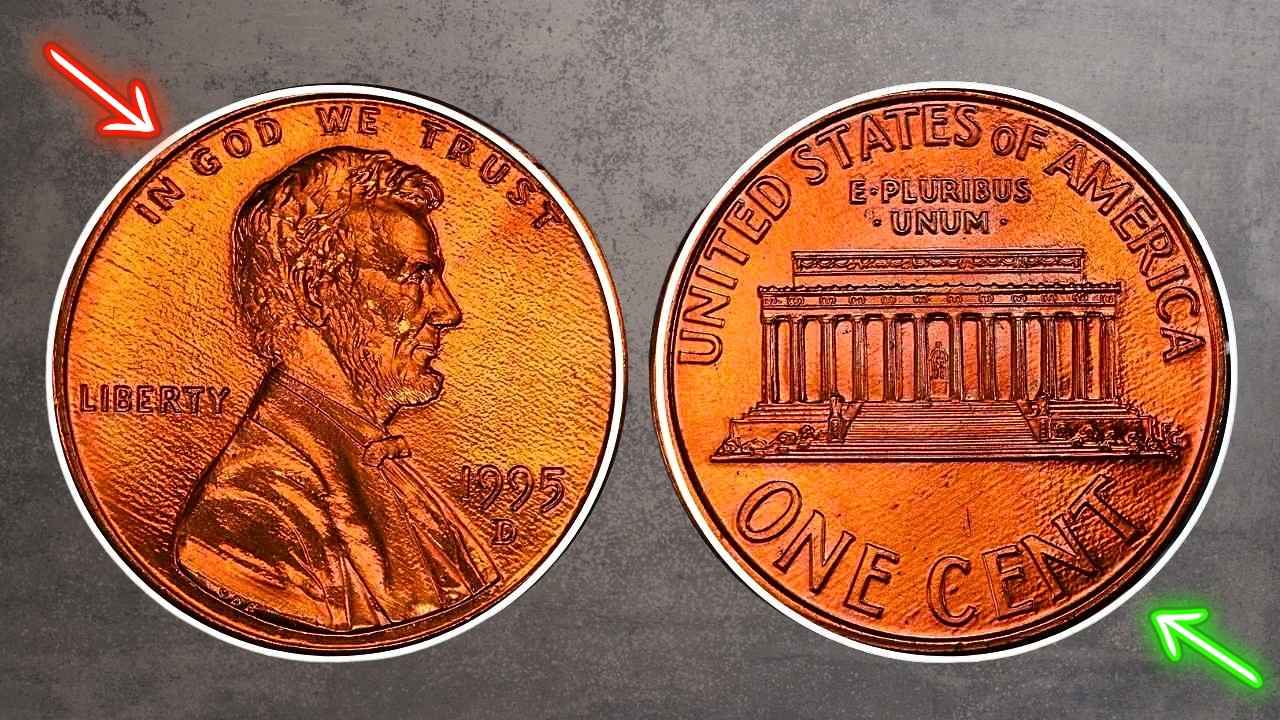
The 1995 Lincoln Penny Doubled Die is one of the most famous modern error coins in U.S. numismatics. Unlike many rare coins that are decades or centuries old, this penny proves that valuable collectibles can still be found in everyday change. Discovered in the mid-1990s, this doubled die error captured the attention of collectors due to its dramatic appearance and relatively recent date. Even today, it remains a favorite among both beginner and advanced coin enthusiasts.
Understanding What a Doubled Die Error Is
A doubled die occurs during the coin minting process when a die receives multiple misaligned impressions from the hub. When this flawed die strikes a coin, certain design elements appear doubled. This is different from machine doubling, which is far less valuable and results from movement during the striking process.
In the case of the 1995 Lincoln Cent, the doubling is bold and clearly visible, making it a textbook example of a true doubled die obverse. This clarity is a major reason why the coin has gained such widespread recognition.
History of the 1995 Doubled Die Discovery
The 1995 Doubled Die Lincoln Cent was discovered shortly after the coins entered circulation. Collectors quickly noticed unusually strong doubling on the obverse lettering. As news spread, coin roll hunters and hobbyists began searching through bags and rolls of pennies.
Unlike older doubled die coins with extremely limited populations, thousands of 1995 doubled die cents are believed to exist. However, finding one in high-grade condition remains challenging, especially as many entered circulation before their significance was widely known.
Key Design Features to Look For
Identifying the 1995 Doubled Die Lincoln Cent is relatively straightforward if you know where to look. The most prominent doubling appears on the obverse inscriptions.
The words LIBERTY and IN GOD WE TRUST show strong, well-separated doubling. The date 1995 may show minor doubling, but it is usually less dramatic than the lettering. The doubling is not flat or shelf-like, which helps distinguish it from machine doubling.
The reverse of the coin does not display doubling, so attention should remain focused on the obverse side. Using a magnifying glass or jeweler’s loupe makes identification much easier.
Common Mistakes When Identifying This Coin
Many collectors mistake machine-doubled pennies for true doubled die errors. Machine doubling often looks flat, thin, and smeared, while genuine doubled die features are rounded and distinct.
Another common error is confusing the 1995 doubled die with similar varieties from other years. Careful comparison with verified images and certified examples can help prevent misidentification.
Grading and Condition Matters
As with all collectible coins, condition plays a major role in determining value. Coins that have never been circulated and retain original mint luster are significantly more valuable than worn examples.
Lower-grade circulated examples may still be worth a modest premium, but the highest prices are reserved for coins graded Mint State. Professional grading services can authenticate the coin and assign an official grade, which adds confidence for buyers and sellers alike.
Current Market Value of the 1995 Doubled Die
The value of a 1995 Lincoln Cent Doubled Die varies widely depending on condition. Circulated examples may sell for $20 to $50, while uncirculated coins often range from $100 to $300.
High-grade specimens graded MS67 or higher have sold for several thousand dollars at auction. Prices can fluctuate based on market demand, eye appeal, and overall population of top-grade examples.
Why Collectors Love This Modern Error
The appeal of the 1995 doubled die lies in its accessibility and visibility. Unlike many rare coins locked away in private collections, this penny can still occasionally be found in circulation.
Its bold doubling makes it easy to appreciate even for beginners, while its recognized status ensures long-term collector interest. It serves as a gateway coin for many people entering the world of error coin collecting.
Tips for Finding One Today
Searching through old penny jars, coin rolls, or inherited collections can still yield results. Focus on 1995 pennies from Philadelphia, as no mint mark is present on genuine examples.
Patience and careful inspection are key. While the chances are slim, the excitement of discovery makes the hunt worthwhile for many collectors.
Key Highlights
- The 1995 Lincoln Cent Doubled Die is one of the most famous modern U.S. error coins
- Strong doubling appears on LIBERTY and IN GOD WE TRUST
- It is a true doubled die, not machine doubling
- Value depends heavily on condition and grade
- High-grade examples can sell for thousands of dollars
- Still occasionally found in circulation or old collections
Final Words
The 1995 Lincoln Cent Doubled Die stands as proof that modern coins can hold real numismatic value. Its clear doubling, compelling discovery story, and collector-friendly availability make it a standout among error coins. Whether you are a seasoned numismatist or someone casually checking pocket change, this rare penny offers both excitement and potential reward. As long as collectors continue to value minting errors and modern rarities, the 1995 doubled die will remain a cherished piece of American coin history.